The URL Shortener Market: Growth, Usage, and What It Means for Modern Marketing
URL shorteners are often treated as background tools, something marketers use without much thought. However, recent data shows that link shortening has become a meaningful layer of the digital marketing ecosystem, touching analytics, brand trust, security, and campaign performance. For agencies and brands managing campaigns across channels, understanding how this market is evolving helps explain why link strategy has become more important, not less.
This blog breaks down the size of the URL shortener market, where growth is happening, how links are actually used in marketing today, and why platforms like ShortifyMe are increasingly positioned as full-featured infrastructure rather than simple utilities.
Market Size and Growth: A Rapidly Expanding Category
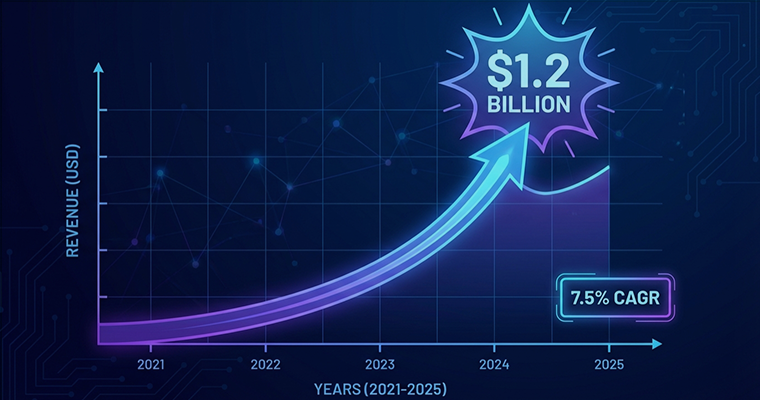
The global URL shortener market is growing faster than many marketers realize. Estimates vary depending on how analysts define the category, but all point in the same direction. One industry analysis projects the market reaching approximately $1.2 billion by 2024, with an estimated compound annual growth rate of around 7.5 percent.
Additional research from Cognitive Market Research helps bridge that gap. It estimates global URL shortener revenue at $158 million in 2021, growing to $294.1 million by 2025, and reaching roughly $1.02 billion by 2023. That trajectory implies a CAGR of about 16.8 percent, driven largely by digital marketing expansion, social media usage, and increased demand for link-level
analytics.
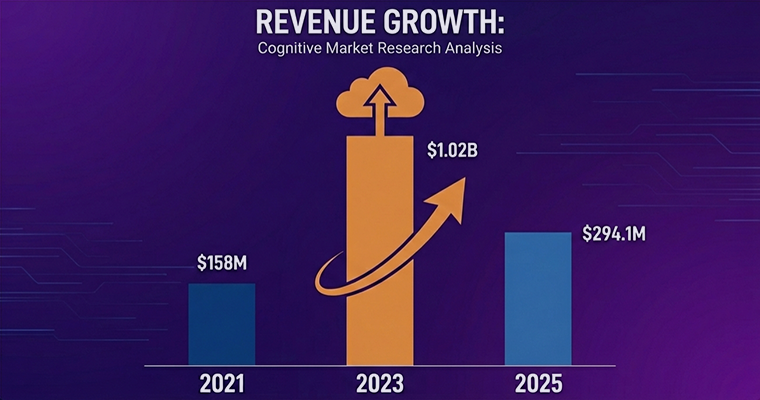
From a marketing perspective, these figures suggest that URL shorteners are no longer niche tools. They are becoming embedded infrastructure across campaigns, platforms, and regions.
Regional Market Breakdown and Global Usage Patterns
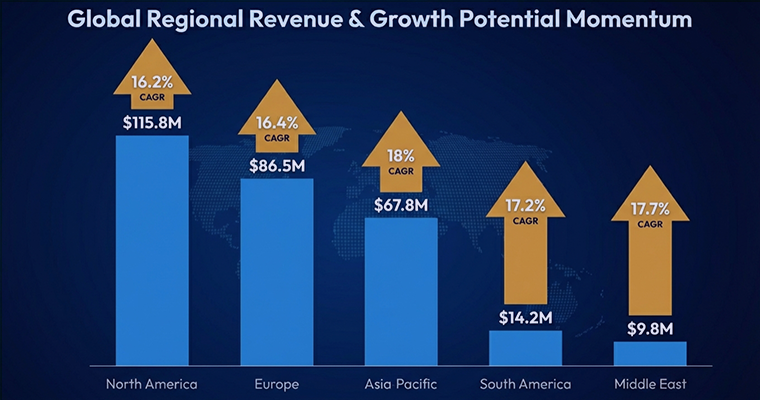
Regionally, North America currently accounts for about 30 percent of the global URL shortener market with $115.8 million at a 16.2 percent CAGR. Europe is projected to reach $86.5 million with a 16.4 percent CAGR. Asia-Pacific is forecast at $67.8 million and shows even stronger momentum with an 18 percent CAGR. South America is expected to generate $14.2 million at a 17.2 percent growth rate, while the Middle East is projected at $9.8 million with a CAGR of 17.7 percent.
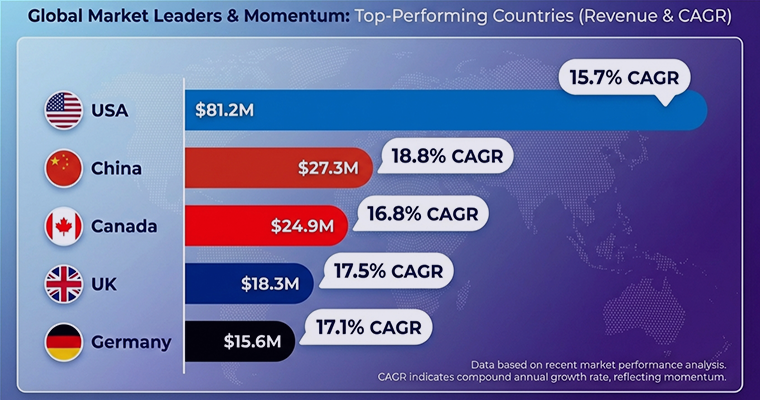
At the country level, the United States leads with an estimated $81.2 million in revenue by 2025 and a CAGR of 15.7 percent. China follows at $27.3 million with an 18.8 percent growth rate. Canada is projected at $24.9 million with a 16.8 percent CAGR, the United Kingdom at $18.3 million with a 17.5 percent CAGR, and Germany at $15.6 million growing at 17.1 percent.
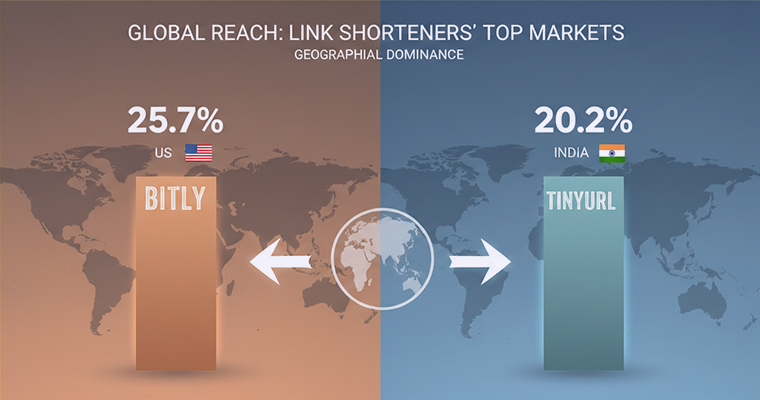
Traffic data reinforces these regional trends. The United States accounts for about 25.7 percent of Bitly’s traffic, while TinyURL sees roughly 20.2 percent of its traffic from India. Indonesia and Brazil also rank among the top traffic sources for major URL shortener platforms. Collectively, the United States, India, Indonesia, Brazil, Japan, and European markets represent the core
demand centers for link-shortening services.
Industry Adoption: Who Uses URL Shorteners and Why?
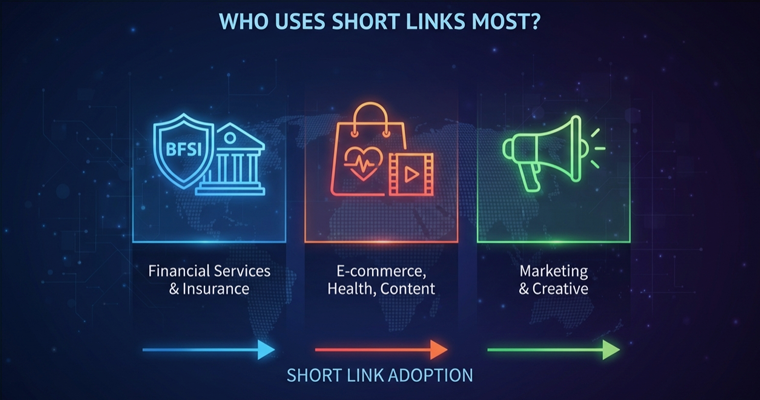
URL shorteners are widely used across industries, but adoption is not evenly distributed. The BFSI sector, which includes banking, financial services, and insurance, represents the largest share of usage. In these industries, short and branded links are often used in email campaigns, customer communications, and affiliate programs where trust and clarity matter.
Healthcare, retail and e-commerce, and media and entertainment also rely heavily on shortened links. Retailers and e-commerce brands use them across SMS campaigns, apps, and paid ads to track performance and manage long URLs with tracking parameters. Media companies use short links for content promotion and social sharing, while technology and SaaS companies rely on them for documentation, onboarding flows, referrals, and product engagement tracking.
Marketing agencies stand out as especially heavy users. In Europe, industry research notes that business and marketing applications dominate URL shortener usage, largely because agencies need consistent campaign tracking across platforms and clients. Larger enterprises typically invest in branded domains, analytics, and API access, while smaller businesses and individuals tend to rely on free tools.
Enterprise Scale and API-Driven Usage
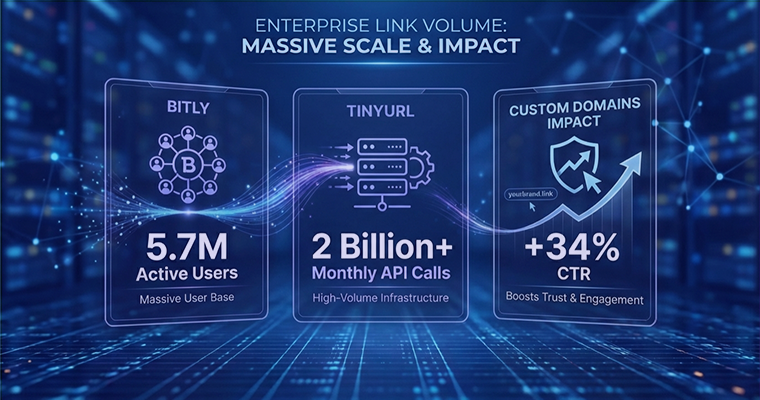
The scale of enterprise adoption highlights how deeply link shorteners are integrated into modern workflows. Bitly reports more than 500,000 customers, primarily corporate users, alongside approximately 5.7 million active users. TinyURL’s API activity offers another signal of scale, with more than 2 billion API calls recorded in a single month. That level of programmatic usage suggests heavy integration into applications, internal tools, and marketing automation systems.
This is also where branded short links become more common. Studies show that using custom domains can increase click-through rates by up to 34 percent compared to generic short links. For agencies managing high-volume campaigns, even modest improvements at the link level can materially affect overall performance.
Usage Volume and Engagement Trends
Daily and monthly usage numbers illustrate just how widespread shortened links have become. Bitly alone processes more than 10 billion clicks and QR code scans each month, which translates to roughly 300 to 400 million interactions per day. TinyURL similarly reports billions of redirects each month. Taken together, global short-link usage likely reaches hundreds of millions of clicks daily, even accounting for unused or expired links.
Recent engagement trends are also telling. Internal Bitly data shows that among free users, click volume declined by 48 percent year over year in 2025 compared to 2024. At the same time, paid Bitly users saw click traffic increase by 88 percent. This shift suggests a growing preference for branded and managed links, as anonymous generic links become less effective and less trusted.
Most Visited URL Shorteners in 2025
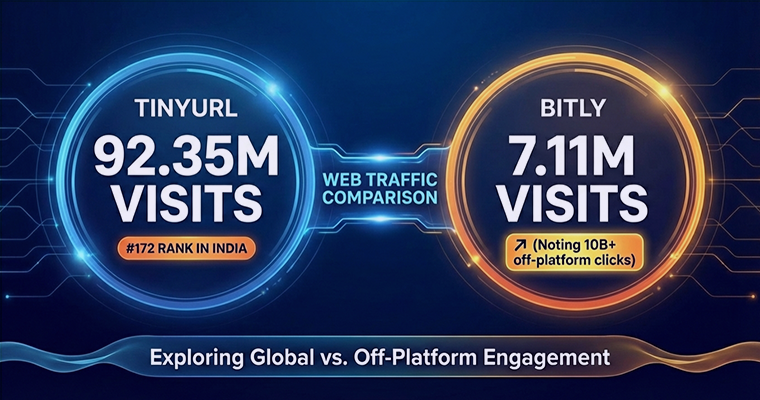
Traffic data from SEMrush provides insight into which platforms dominate attention. TinyURL remains one of the most visited services, recording approximately 92.35 million visits in December 2025. It holds a global rank of around 400 and ranks as high as 172 in India. TinyURL handles billions of link creations and redirects, reflecting its long-standing presence.
Bitly continues to lead in branded link adoption. Bityl.com recorded about 7.11 million visits in December 2025, with a global rank of 8,172. Despite lower direct site traffic, Bitly reports more than 10 billion monthly clicks across its links, indicating that much of its usage happens off-platform. Its audience is heavily concentrated in the United States, with strong traffic from Indonesia, Brazil, India, and the Philippines.
Other services, such as shorturl.at, saw around 19.8 million visits in December 2025, with India accounting for over 30 percent of its audience, followed by the United States and Indonesia. Platforms like is.gd and tiny.cc receive less traffic but remain commonly used for quick, no-frills shortening. Mid-tier tools such as Rebrandly, Ow.ly, BL.INK, Short.io, and T.ly are widely used within marketing teams, even when public traffic data is limited.
Industry reports consistently list Bitly, TinyURL, Rebrandly, BL.INK, and Short.io among the leading vendors, underscoring a competitive but concentrated market.
Marketing Use Cases Across Channels
Shortened links are foundational across marketing channels. In social and affiliate marketing, branded short links consistently outperform generic ones. One study found that branded short URLs generated approximately 25 percent more clicks than generic links across social platforms. Another analysis reported click-through rate improvements of up to 34 percent when using custom short domains.
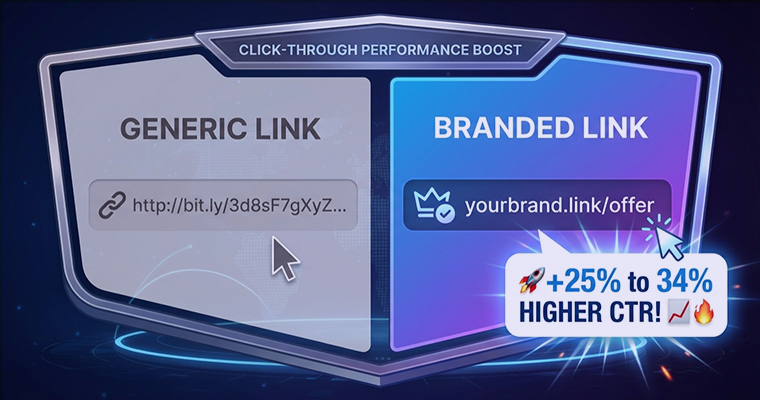
In paid advertising, short links improve visual clarity and make it easier to manage UTM parameters. Marketers often create distinct short links for different ad variations, allowing for cleaner A/B testing and clearer attribution, and report higher click-through rates when using concise branded URLs. Content teams also rely on short links for platforms with character limits or aesthetic preferences, such as Twitter, Instagram, TikTok, and influencer bios.
Offline use has grown alongside QR code adoption. Short URLs are easier to embed into QR codes on print materials, packaging, and event signage. Bitly’s internal data showed a significant increase in QR code creation and scanning after 2020, reinforcing the connection between physical and digital touchpoints.
Abuse, Spam, and Security Considerations
Despite their legitimate uses, URL shorteners are sometimes exploited. A 2025 Cofense security report found that 28 percent of phishing and malware campaigns using common shorteners successfully delivered malware. Attackers often take advantage of free or trial accounts to generate deceptive links, and platforms such as tinyurl.com, t.ly, Rebrandly, and is.gd have appeared in security analyses.
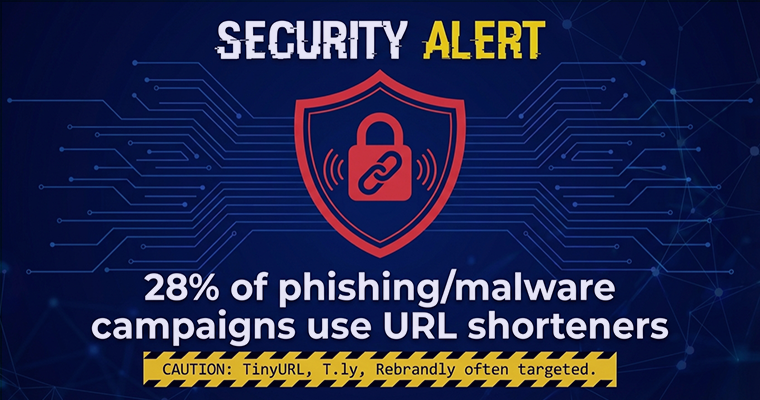
This has led many organizations to adopt protective measures, including previewing shortened links before clicking, enforcing safe-click policies, or blocking certain shorteners altogether. Most reputable platforms now scan destination URLs and disable links flagged as malicious. While abuse is a real concern, it represents a small fraction of overall usage. Millions of businesses rely on shortened links daily for legitimate marketing and communication needs.
Where ShortifyMe Fits in the Market
Within this evolving landscape, ShortifyMe positions itself as a modern, full-featured URL shortener built for current marketing needs. In addition to core URL shortening, ShortifyMe supports custom domains, QR codes, detailed analytics, and API access, making it suitable for agencies, developers, and e-commerce teams.
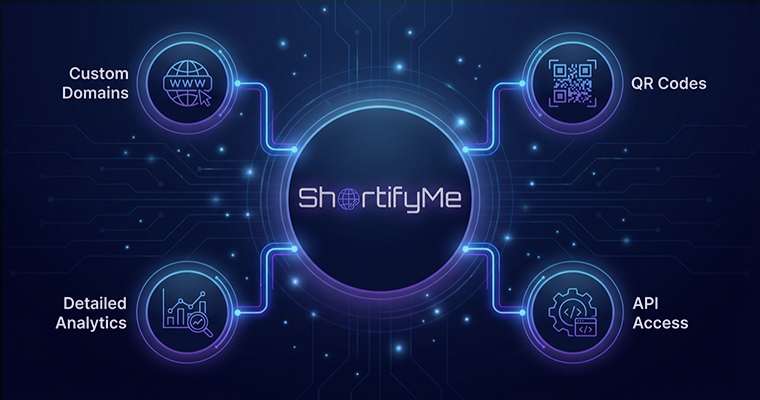
As privacy and data ownership become more important, platforms like ShortifyMe emphasize neutral infrastructure, branded links, and transparent analytics. These capabilities align with broader market trends favoring managed links, trusted domains, and measurable performance across channels.
What This Market Tells Us About Modern Marketing
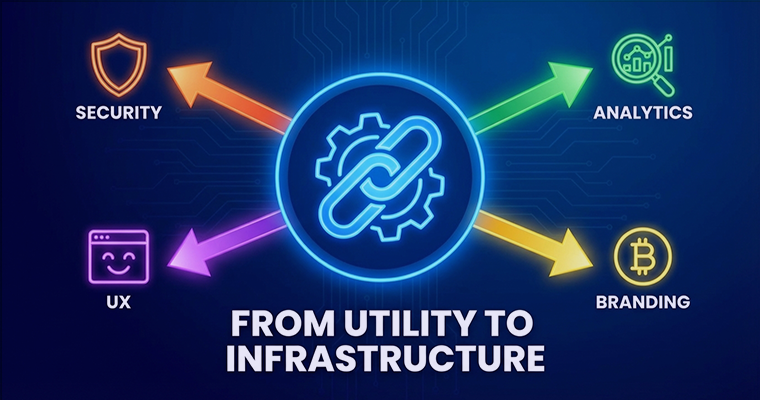
The growth of the URL shortener market reflects a broader shift in how marketing teams think about links. What once seemed like a minor utility has become a point of control for branding, analytics, security, and user experience. As campaigns grow more complex and more distributed, the ability to manage and measure links centrally becomes increasingly valuable.
For agencies and brands alike, understanding this market helps clarify why link strategy deserves more attention. Tools like ShortifyMe are helping shape how modern marketing teams adapt to scale, accountability, and trust.
FAQs
Q: How big is the URL shortener market?
A: Estimates vary. One research report values the 2024 market at $1.2 billion; another places it around $294 million by 2025. Both indicate double-digit CAGR growth as marketing and social media use expand.
Q: Which URL shorteners are the most popular?
A: Bitly and TinyURL dominate. For example, tinyurl.com had 92.4 M visits in Dec 2025 (global rank #400), while bitly.com had 7.11 M visits. Other commonly used services include shorturl.at, is.gd, Rebrandly, Ow.ly, T.ly, etc. (Twitter’s t.co handles Twitter links internally.)
Q: How are shorteners used in marketing?
A: They are vital for tracking and branding. Marketers use them in social posts, emails, SMS , and ads to shorten long URLs and monitor clicks. Branded short links notably increase engagement: one study found 25% more clicks on branded short URLs vs. generic ones. Another analysis showed custom short domains can boost CTR by 34%. This makes them especially useful in affiliate campaigns and paid ads.
Q: Which industries use URL shorteners the most?
A: URL shorteners are broadly used, but the BFSI (banking/finance/insurance) sector leads by market share. Other major verticals include healthcare, retail/e-commerce, media/entertainment, and technology. Many businesses in these sectors use short links for digital marketing, analytics, and user engagement.
Q: Are URL shorteners safe to click?
A: Generally, yes if used wisely. However, criminals sometimes use short links to hide malicious URLs. A security analysis found 28% of phishing campaigns using shorteners delivered malware. To stay safe, preview shortened links (many services support this) or use link-expansion tools. Avoid clicking suspicious short links in unsolicited emails or messages.
Q: Who uses ShortifyMe?
A: ShortifyMe targets the same audiences as other shorteners, such as marketers, developers, and affiliate and e-commerce professionals who need link management. Specific usage stats are proprietary, but ShortifyMe competes with Bitly/TinyURL/etc. Its value lies in features like custom domains, analytics, and privacy-focused link sharing.
Q: How many links are shortened daily?
A: Exact daily totals aren’t published, but we can infer scale. Bitly’s 10+ billion monthly clicks suggest hundreds of millions per day just on Bitly. Given TinyURL’s “billions per month” claim, global short-link usage likely exceeds 100 million link clicks daily across all services.
Q: Why use a custom short URL domain?
A: Branded short domains (e.g. yourbrand.co) build trust and improve click rates. Research indicates users are more likely to trust and click a recognizable short link. As noted, branded links have significantly higher CTR (25–34% uplift). They also embed your brand into every shared URL, reinforcing credibility in social and ads.